What Are the 7 Things to Check Before You Try Yono New All Game?
What Are the 7 Things to Check Before You Try Yono New All Game?
Most guides to Yono New All Game start with a download button and a promise. They skip the part that actually decides whether your first session goes smoothly or turns into an hour of troubleshooting: the ten minutes of preparation before you install anything. If you are trying this for the first time, that gap is where most of the frustration lives. So instead of repeating the same feature list, this piece walks through the checks an experienced player would run for a friend, in the order that matters.
Think of it as a scenario. You have a phone, a decent Wi-Fi connection, and a free evening. Someone told you the new collection of games on the Yono Game Vip platform is worth a look. Before you tap anything, here is the sequence that keeps things simple and avoids the classic first-timer mistakes.
1. Start With the Screen and the Storage, Not the Download
Here is the thing most guides leave out entirely: the app is not the problem, your phone’s free space usually is. Modern mobile game collections bundle multiple titles into one interface, and that means the install size is bigger than a single arcade game from a few years ago. Before you download anything, open your settings and check two numbers: available storage and available RAM. If you are under a couple of gigabytes of free space, clear out old photos, cached videos, and apps you have not opened in months. It takes five minutes and saves you from an install that fails at 90 percent.
The screen matters too, but not in the way people assume. You do not need a flagship device. You need a screen that is comfortable to hold for a longer session, because the games in this collection range from quick arcade rounds to slower card-based formats like Rummy. If your phone has a case with sharp edges, you will feel it after twenty minutes. That sounds trivial until you are three rounds in and your hand is cramping.
One more thing on this step: check your Android version. Most current APK-based game platforms expect a reasonably recent version of the operating system. If your phone is several major versions behind, the interface may load but individual games can behave strangely. Updating the system first is boring advice, but it is the difference between a clean first run and a confusing one.
2. Where You Get the File Matters More Than What You Get
This is the part where first-timers get burned. There are dozens of mirror sites and random links floating around forums and messaging apps claiming to host the same package. Some of them are fine. Many are not, and the ones that are not tend to look identical to the ones that are. The only reliable filter is the source itself.
When you go through the official Yono Game Vip site, you are getting a package that the platform itself maintains, which means version numbers match, updates are consistent, and you are not installing something that was repackaged by a third party. That distinction matters more than any feature comparison, because a modified APK can behave unpredictably or request permissions it has no business asking for.
Practical check: before you install, look at the permissions the file requests. A game collection needs storage access and network access. It does not need your contacts, your SMS inbox, or your call history. If you see those, stop and go back to the official source. This single habit will protect you across every app you ever sideload, not just this one.
Also, download over Wi-Fi if you can. Mobile data works, but a dropped connection mid-download is one of the most common causes of a corrupted install file, and the error message you get afterward rarely explains what actually happened.
3. Set Up Your Account Before You Play, Not During
New players often jump straight into a game and then hit a wall when the app asks them to create a profile mid-session. Do it first. Pick a username you will actually remember, use a password that is not reused from another site, and take thirty seconds to note down which email or phone number you registered with.
Why does this matter? Because the platform tracks your progress across the different game types. If you play a few rounds of an arcade title, then switch to a card game, then come back the next day, your history and preferences live in that account. Skipping proper setup means you may end up with a guest profile that does not carry over, and you will be starting from zero every time. The five minutes you spend here pays for itself within a week.
While you are in the settings, look for notification controls and any display or sound preferences. Turning off the loudest notifications before your first session is a small quality-of-life move that experienced players do automatically. There is nothing worse than a game alert firing at full volume during a quiet meeting.
4. Learn the Interface Once, Then Ignore It
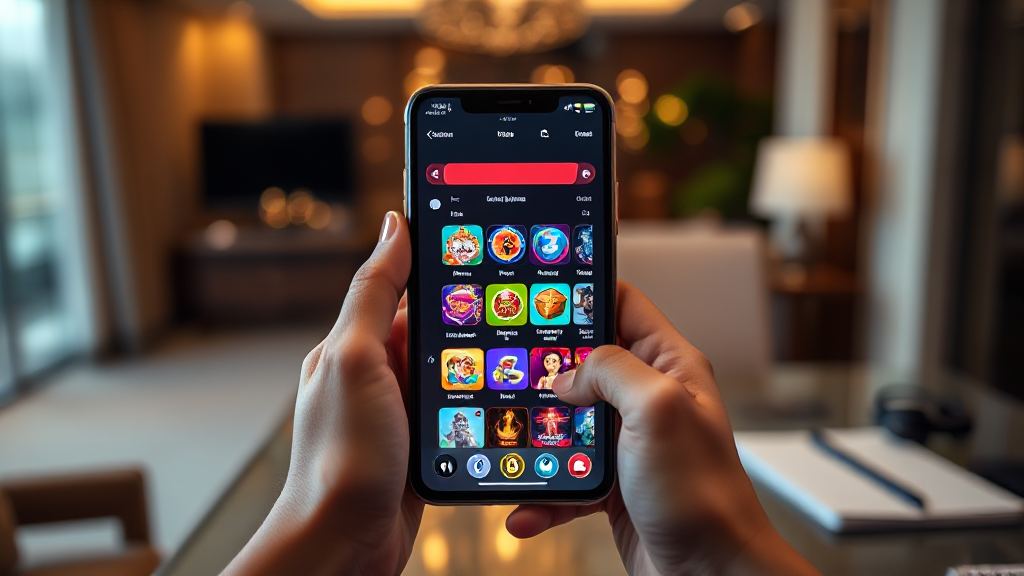
The first thing you will notice is that the collection is organized by category rather than as one long list. You will typically see distinct sections for slot-style games, card games like Rummy, and arcade-style titles. Each category behaves differently, so the smart move is to spend your first session exploring rather than committing.
Here is how an experienced player approaches a new collection: open three or four games from different categories, play each for five minutes, and note which ones feel natural to you. Do not try to master everything on day one. The interface itself is usually simple enough that you will understand the navigation within ten minutes, and after that you can stop thinking about menus and just play.
Pay attention to how each game communicates its rules. Some arcade titles explain everything on the first screen. Card-based games often assume you know the basic format and only show the controls. If a game feels opaque, that is a signal to read its in-app help section rather than guess. Guessing is how people develop bad habits that are hard to unlearn later.
One practical tip: use the same device for your first few sessions. Switching between a phone and a tablet changes the layout and can make a familiar game feel unfamiliar. Get comfortable on one screen first, then branch out.
5. Build a Short Routine Instead of Playing Everything
The biggest mistake new players make is trying to sample the entire collection in one sitting. That approach guarantees you will not get good at anything and will probably end the evening feeling scattered. A better pattern is to pick two or three games and play them consistently for a week before adding anything new.
This is how the experienced users on the platform actually operate. They have a small rotation: maybe one quick arcade game for short breaks, one card game for longer sessions, and one slot-style game for variety. That rotation covers different moods and different amounts of available time, which is really what you want from a game collection.
There is also a practical benefit. Each game type has its own rhythm. Arcade games reward fast reactions. Card games reward patience and pattern recognition. Slot-style games are mostly about pacing yourself and knowing when to stop. If you jump between all three in the same hour, your brain never settles into any of those rhythms, and you enjoy all of them less.
Set a rough time boundary for yourself too. Not because anyone is forcing you, but because a clear boundary makes the session feel like a planned break rather than an open-ended scroll. Twenty to forty minutes is a reasonable starting point for a first week.
6. Keep the App Updated and Your Data Backed Up
Once you are set up, maintenance becomes the whole game. Game platforms push updates for two reasons: new content and fixes. Skipping updates means you eventually hit a version mismatch where the app tries to load something that no longer exists on the server, and the result is usually an error screen with no useful explanation.
Make it a habit to check for updates once a week. If the platform offers in-app update prompts, take them immediately rather than dismissing them. The updates are usually small and the alternative is a broken session at the worst possible time.
On the backup side, make sure your account credentials are stored somewhere you can find them. If you change phones, you want to log in and find your history intact rather than starting over. A password manager handles this automatically, but even a note in a secure app is better than relying on memory.
If you ever need to reinstall, do it from the same official source you used the first time. Reinstalling from a random mirror is how people accidentally end up with an older or modified version, which then causes login problems that look like account issues but are really just version conflicts.
7. Know What to Do When Something Goes Wrong
Even with everything set up correctly, you will occasionally hit a snag. The most common ones are an install that fails, a game that will not load, or a login that keeps rejecting your credentials. Each has a predictable cause and a predictable fix.
If the install fails, the cause is almost always storage space or a corrupted download. Clear space, delete the partial file, and download again on a stable connection. If a specific game will not load while others work fine, close the app completely and reopen it; if that does not work, check whether an update is pending. If login fails, verify you are entering the same credentials you registered with, and use the password reset if needed rather than guessing repeatedly, which can trigger a temporary lock.
The general principle is to change one thing at a time. Restart the app. Then check for updates. Then check your connection. Then reinstall. Most problems resolve at step one or two, and working through them in order prevents you from making a small issue into a bigger one.
And if you are the kind of person who likes to understand the platform before committing time to it, the site itself is worth a browse. It explains the available game categories and how the download process works, which removes most of the guesswork from your first session.
Frequently Asked Questions
Do I need a high-end phone to play these games?
No. A mid-range Android device with a recent operating system and a few gigabytes of free storage handles the collection comfortably. The bigger factors are screen comfort and free space, not raw processing power. If your phone runs modern apps without lag, it will run these games fine.
What should I do if the download keeps failing?
Check three things in order: free storage space, connection stability, and whether you are downloading from an official source. A corrupted partial file from a dropped connection is the most common cause. Delete the incomplete file, free up space if needed, and retry on Wi-Fi.
How many games should I try in my first week?
Two or three, played consistently. Sampling everything at once makes it hard to learn any single game properly and usually leads to a scattered, less enjoyable experience. Add more games only after your initial rotation feels natural.
Is it worth creating an account instead of playing as a guest?
Yes. An account keeps your progress, preferences, and history tied to you across sessions and devices. Guest profiles often do not carry over, which means starting from scratch every time you open the app.
How often should I check for updates?
Once a week is enough for most users. If the app prompts you to update, do it right away rather than postponing. Skipping updates is the leading cause of version-mismatch errors that make games fail to load.